How to Handle a Stray Animal
Encountering a stray animal can be a touching experience, but it requires careful and thoughtful handling.

Encountering a stray animal can be a touching experience, but it requires careful and thoughtful handling. In some places, individuals often have a larger role to play in helping stray animals. Here are practical steps to help you handle the animal and provide essential care.
Assess the Situation from a Distance
Before approaching, observe the animal from a safe distance to gauge its behavior and condition. If it appears calm or scared, you can try to help. If it’s aggressive or severely injured, it may be best to consult a vet or seek remote advice.
Approach Slowly and Calmly
Approach the animal slowly and speak in a calm tone to avoid startling it.
Avoid direct contact initially, especially if its health status is unknown. Use gloves or a cloth if you need to hold or examine the animal.

Check for Identification
If the animal has a collar or identification tag, this may indicate an owner looking for it. You can also visit a local vet clinic to check for a microchip with the animal's information.

Provide a Safe Environment
If possible, bring the animal to a safe area, such as a quiet room or enclosed yard to help it relax and feel secure. Give it space to move freely and provide water and light food.

Treat Minor Wounds
If there are minor wounds, clean them gently with warm water and a saline solution.
Avoid using alcohol-based products, as they may irritate the wound. For larger injuries, it’s best to leave them to a vet for proper care.

Monitor Health Signs
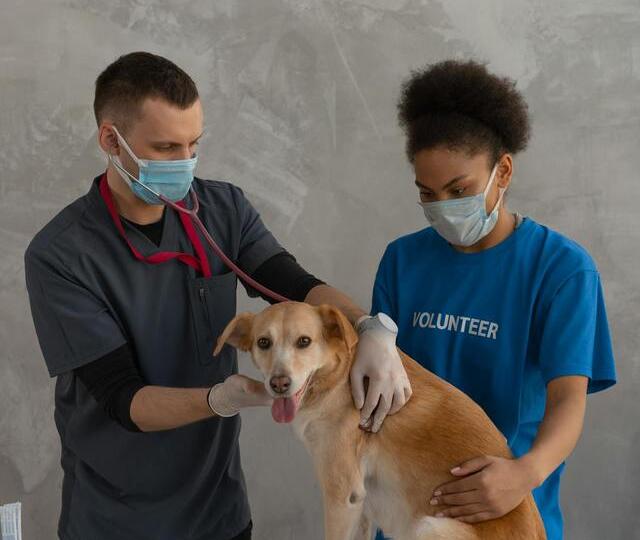
Observe the animal for any abnormal signs like coughing, eye discharge or movement issues, which could indicate health problems. If the animal shows severe or persistent symptoms, consult a veterinarian immediately.
Check for Signs of Dehydration
In hot climates, the animal may suffer from dehydration. You can test this by gently pulling the skin; if it doesn’t return quickly to its place, the animal may be dehydrated. Offer water gradually to avoid any adverse effects.
Use Social Media to Find the Owner
If local animal services are limited, you can post a picture of the animal on social media or RAEI APP, mentioning where you found it and any distinguishing features, such as a collar or specific markings, to help the owner find it.
Provide Temporary Shelter if Necessary
If you cannot find the animal’s owner right away, consider offering it temporary shelter. Ensure it’s separated from other pets to protect them from any potential illnesses.

Consider Adoption as an Option
If the owner doesn’t come forward and you’re able to provide a permanent home, consider adopting the animal. Adopting offers you a chance to save a life, but be sure to get the animal checked by a vet to confirm its health and safety before bringing it into your home.
Additional Medical Tips
Avoid Giving Human Medications: Some human medications can be harmful to animals, so consult a vet before administering any medication. Isolate the Animal from Other Pets: If you have other pets, keep the stray separated until you’re sure it’s healthy. Consult a Vet When Necessary: If severe symptoms appear, try to seek veterinary advice by phone or by visiting the nearest clinic.
Conclusion
Helping a stray animal is a responsibility that requires care and compassion. By following these tips, you can provide a safe environment and essential medical care. Whether to return the animal to its owner or to offer it a permanent home.